|
Click on the hyperlinks
below to
retrieve information about the Torsen differential. The
hyperlinks are to documents published in Portable Document Format (PDF).
You will need Adobe's Acrobat Reader
(www.adobe.com) to view
the documents.
Technical Papers available for
purchase from IMechE (www.imeche.org):
-
The development of a differential for the improvement of traction control
(C368/88)
article and see how the Torsen T-1 (Type A) differential works!
This article was published in 1988 and contains
information about "invex" gearing, bias
ratio, and the Torsen mathematical model.
- Traction and
Handling Safety Synergy of Combined Torsen Differential and Electronic
Traction Control (C498/30/144).
Technical Papers available for purchase from SAE (www.sae.org):
Download or view the Torsen technical sheets.
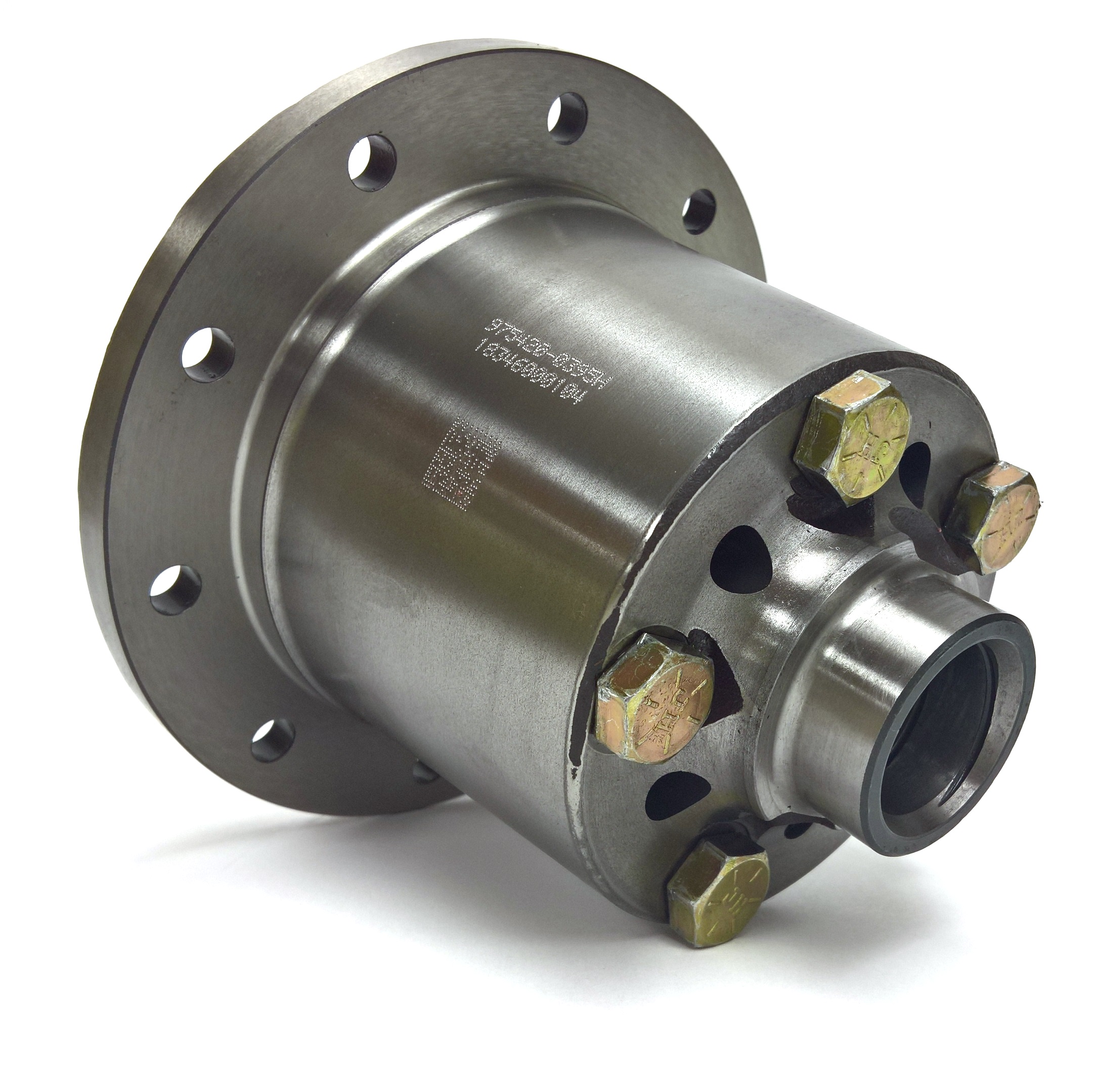
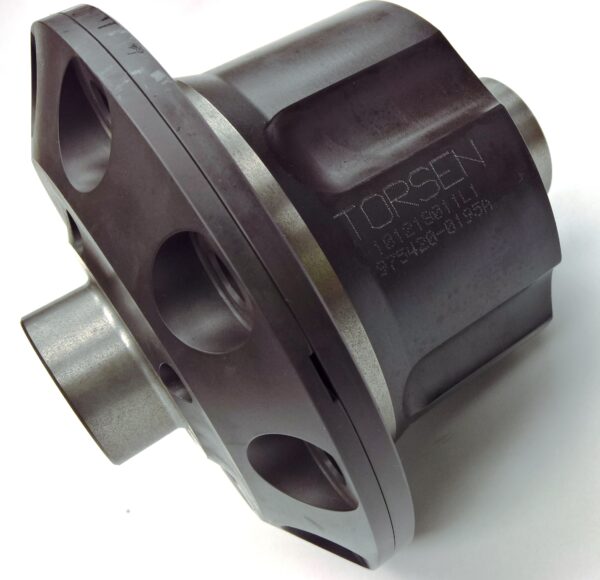
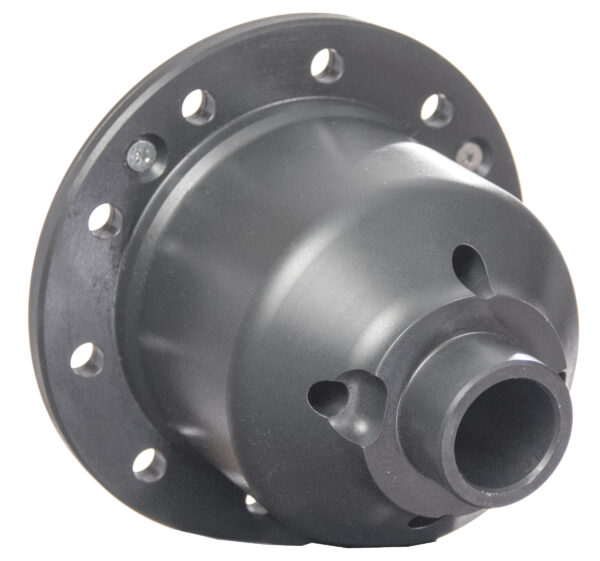
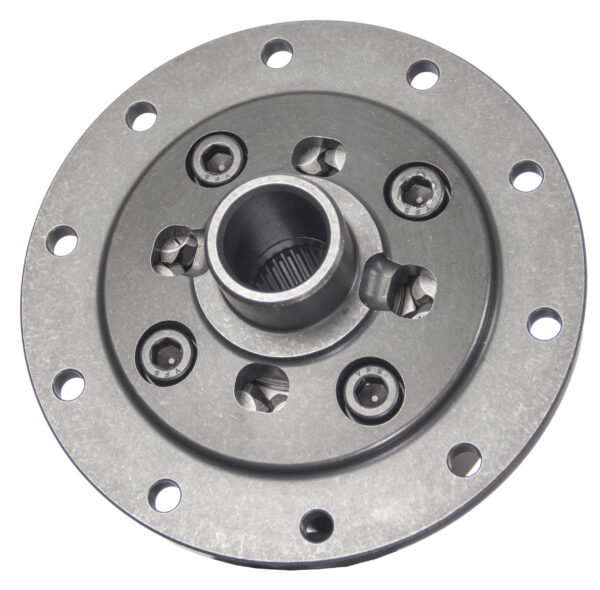
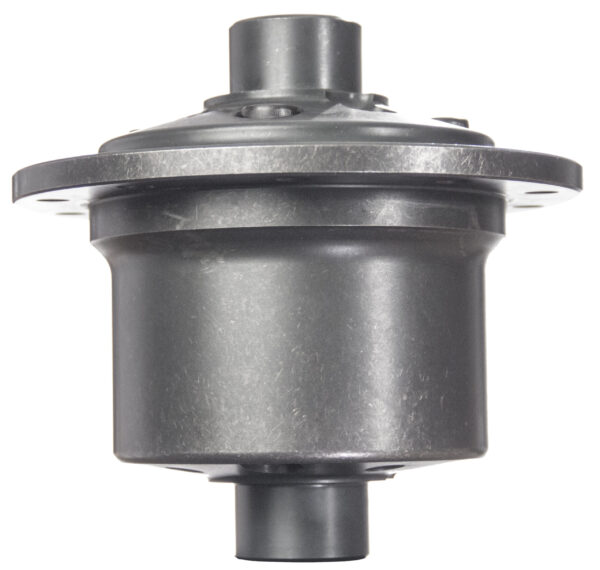
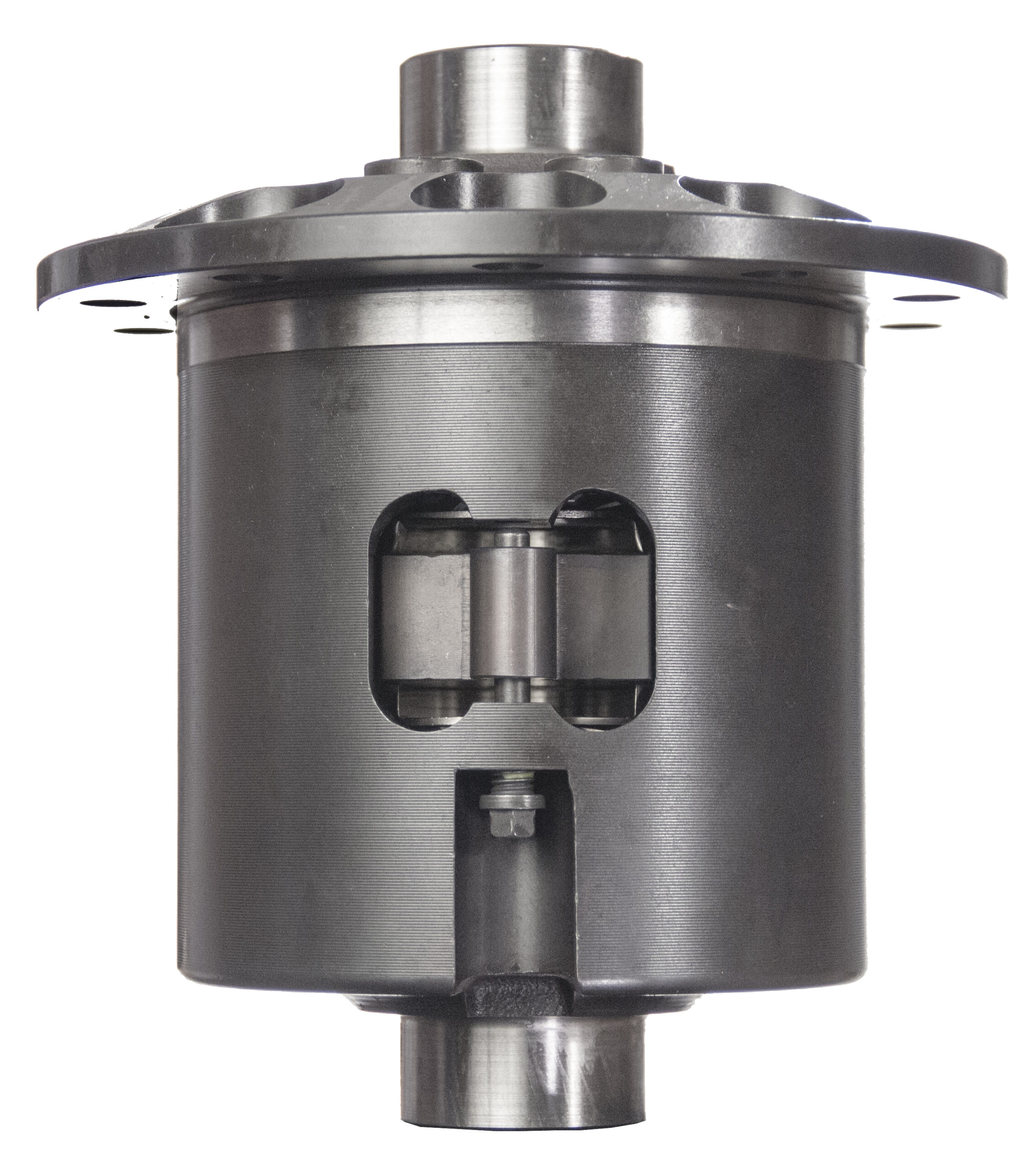
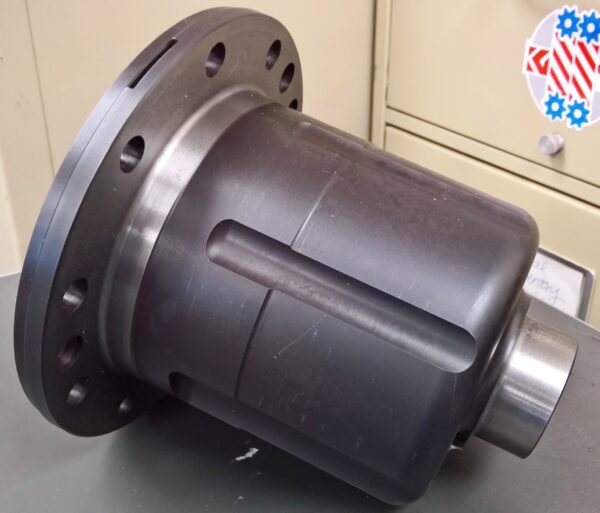
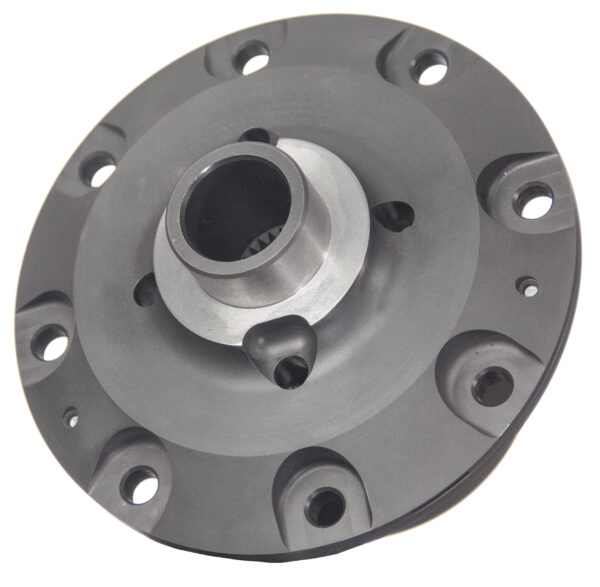
Torsen differential products cover a wide range of torque biases
and applications in the
front, center, and rear of a vehicle!
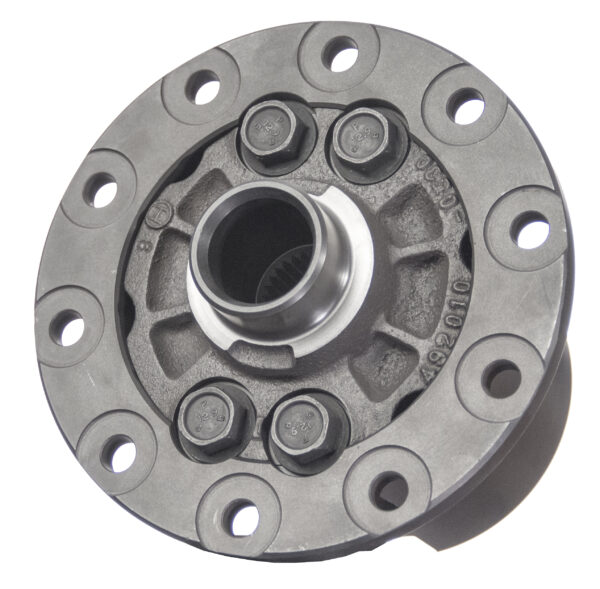
- T-1 (Type A)
-
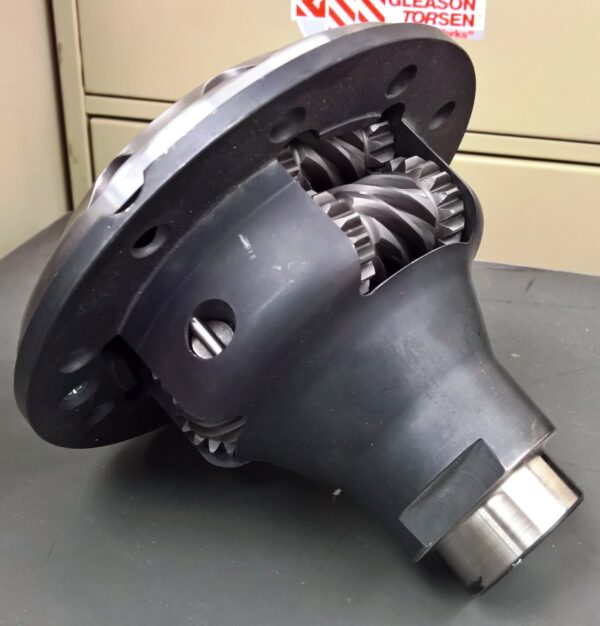
This is the original differential that was introduced in the AM General HMMWV (Hummer®)
and the Audi Quattro which has seen considerable growth in other worldwide
applications. This is our crossed axis helical
(Invex)
higher torque bias differential.
-
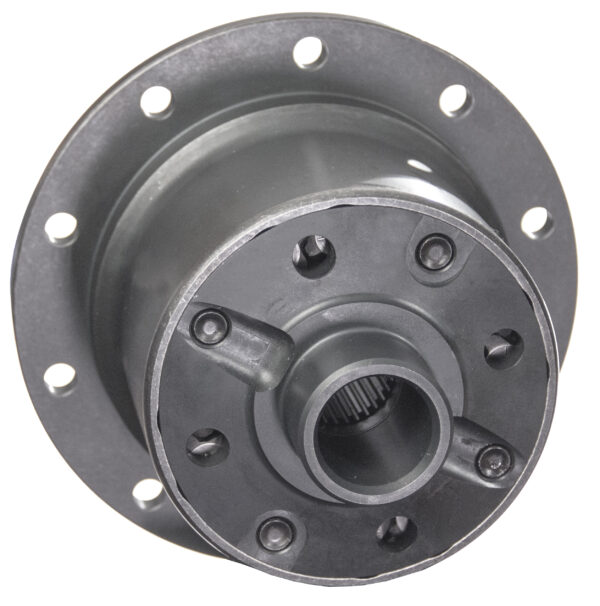
- T-2 (Type B)
-
This differential is only a few years old and adds a wide range of torque bias coverage
for the Toyoda-Koki Automotive Torsen North America, Inc.
product line. This type of differential is referred to as our
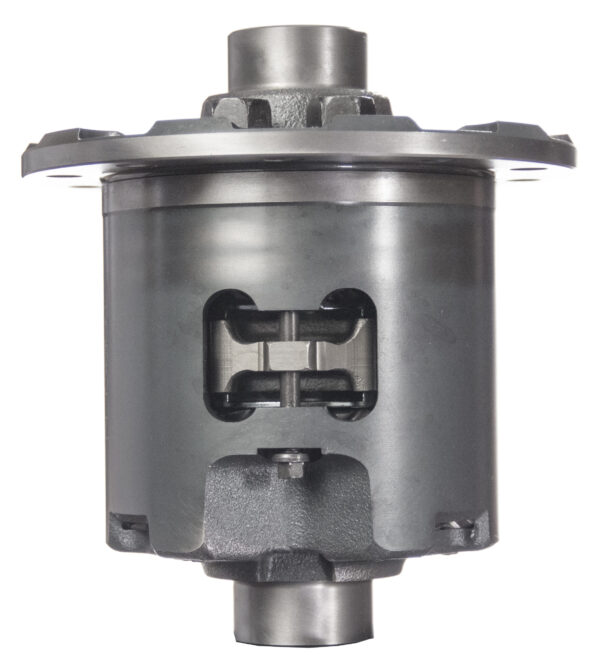
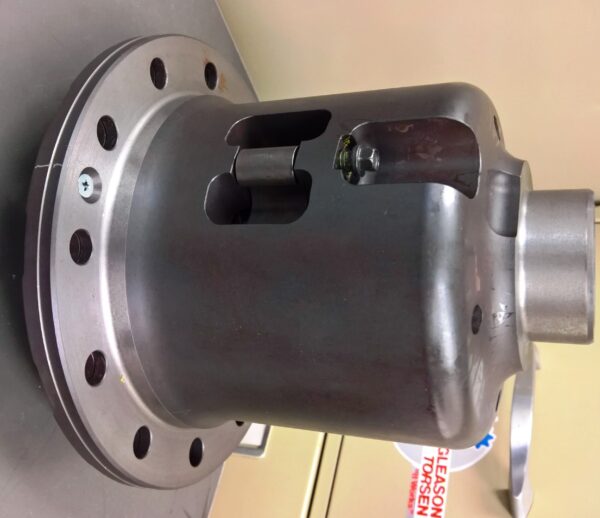
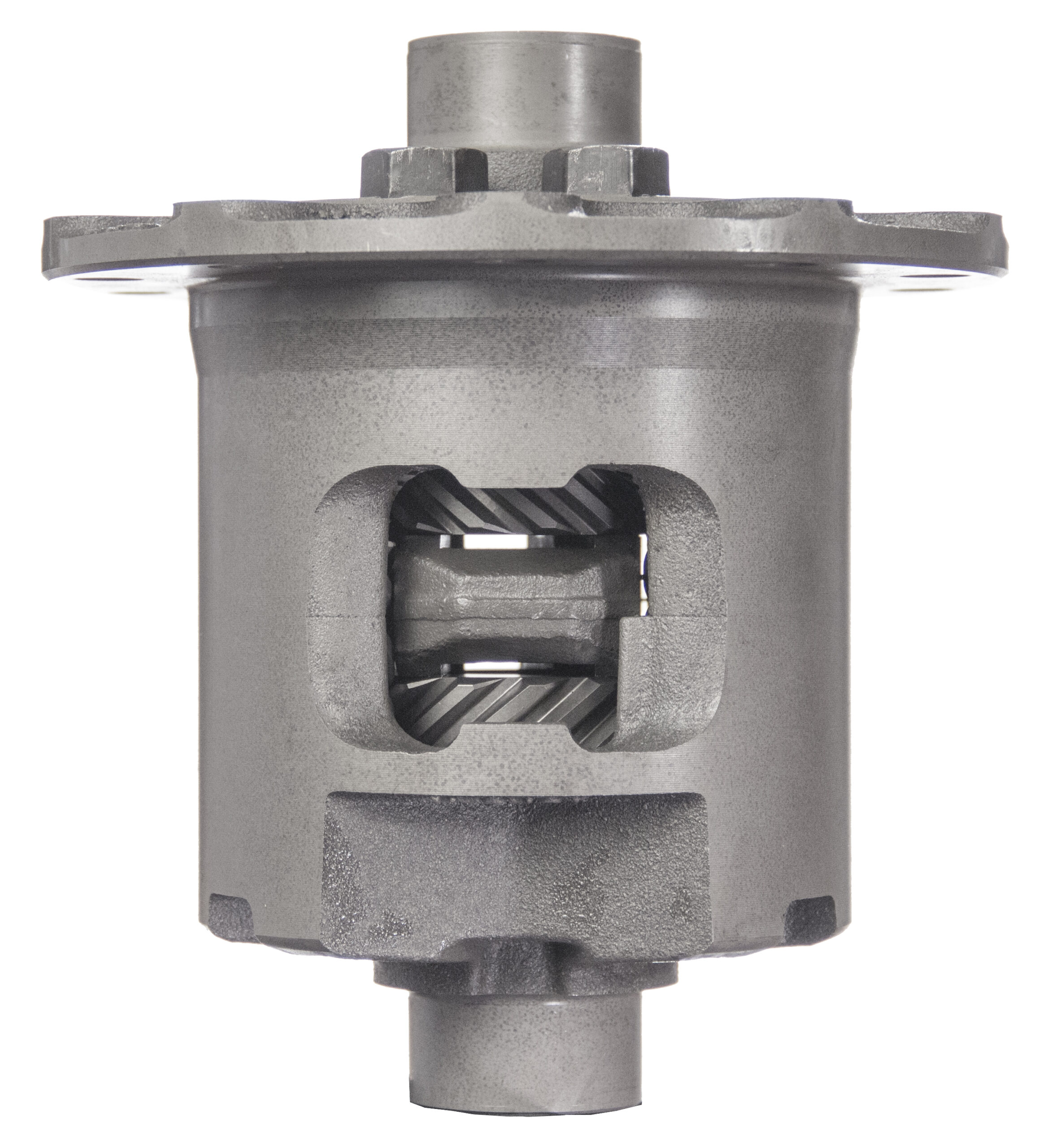
parallel axis helical (Equvex™) differential which was
designed to accommodate Ford and GM C-Clip applications.
-
- T-2R (RaceMaster)
-
The T-2R is a higher bias T-2 torque sensing parallel axis
differential designed for the more performance minded driver.
The higher bias found in the T-2R, like the T-1, allows the transfer of more
available torque to the wheel that can better use it.
-
- T-3 (Type C)
-
The newest differential style of the Torsen product line. The T-3 is
currently offered in a single or Twin Differential configuration
(The twin differential has an open
differential surrounded by a Torsen differential!).
This versatile unit
is ideally suited for center applications and is designed for those hard to
package all wheel drive systems. The design of the Type C allows for a
torque split other than 50:50 with a majority of available torque
designed to go to
either the front or rear axle.
Page was last updated
March 16, 2010. |